
What to Check at Your New Home Handover
A room-by-room and system-by-system checklist for the final walkthrough before you take possession of a newly built home.
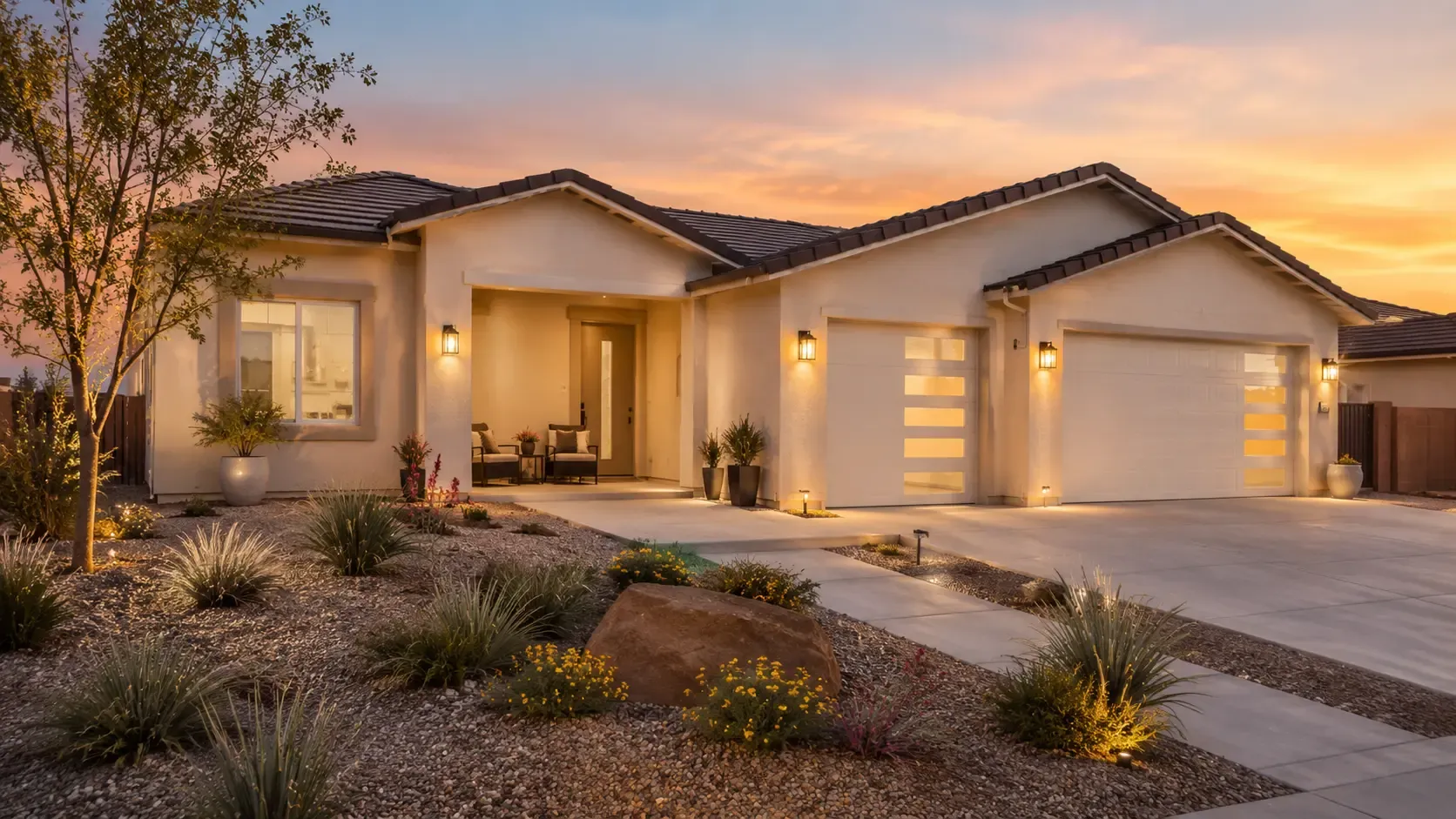
What to Check at Your New Home Handover
Handover day is exciting, but it is also an inspection moment.
After months of planning and construction, it is easy to focus on the fact that the home is finally finished and overlook smaller issues that should be documented before you take the keys.
A good new home handover checklist helps you review the house systematically.
You are not trying to perform a building-code inspection on your own. Required inspections should already have taken place through the construction process.
Your role during the final walkthrough is to confirm that the home appears complete, finishes are consistent with the agreed scope, systems are demonstrated, remaining items are documented, and you understand what happens after handover.
Here is what to check.
Before You Start the Walkthrough
Bring:
- Phone with camera
- Notes app or printed checklist
- Contract or final specifications if practical
- Approved selection list
- Floor plan
- Blue painter's tape only if the builder uses it for punch items
- Charger or outlet tester only if you know how to use it safely
Do not rush.
Walk room by room and keep one list rather than relying on memory.
If something needs correction, photograph it and note the exact location.
"Paint issue in bedroom" is vague.
"Small paint chip on north wall beside bedroom 2 window" is useful.
1. Start Outside
Walk the perimeter before going inside.
Look at:
- Stucco or siding finish
- Exterior paint
- Trim
- Roof appearance from the ground
- Gutters where included
- Exterior doors
- Windows
- Screens
- Exterior lighting
- Hose bibs
- Vents
- Utility penetrations
- Garage doors
- Driveway
- Walkways
- Patio surfaces
- Final cleanup
You are looking for visible damage, incomplete finishes, missing components, cracks that should be evaluated, loose hardware, or areas that appear unfinished.
Do not climb onto the roof yourself.
If you want an independent roof assessment, use a qualified inspector.
2. Review Grading and Drainage
In a desert climate, drainage is easy to underestimate.
Walk around the property and look at how finished grade relates to the house.
Ask the builder to explain:
- Intended drainage direction
- Swales or drainage paths
- Downspout discharge where applicable
- Low areas
- Driveway drainage
- Yard grading
- Any areas you should keep clear
You do not need to become a drainage engineer.
You do need to understand where water is supposed to go.
3. Test Exterior Doors
Open and close every exterior door.
Check:
- Smooth operation
- Latch alignment
- Deadbolts
- Weatherstripping
- Thresholds
- Door stops
- Locks
- Finish condition
A door should not require excessive force to latch.
Ask about any adjustment rather than assuming it will "settle."
4. Open and Close Every Window
Check each window for:
- Smooth operation
- Lock function
- Screen installation
- Visible glass damage
- Frame condition
- Proper closing
Do not only inspect the windows that are easy to reach.
Go room by room.
5. Walk Every Floor Surface
Look down as you move through the home.
For tile:
- Check for visible chips
- Review grout consistency
- Look for unfinished edges
- Note obvious lippage concerns for builder review
For resilient or wood-look flooring:
- Look for damage
- Check transitions
- Note gaps or lifted areas
- Review baseboard edges
For carpet:
- Check seams
- Look for stains
- Review transitions
- Confirm it is stretched properly
Minor construction dust is one thing. Damage is another.
6. Inspect Walls, Paint, and Trim
Strong Nevada daylight can reveal imperfections that are harder to see under artificial light.
Check:
- Paint coverage
- Touch-up areas
- Wall damage
- Baseboards
- Door casing
- Caulking
- Trim joints
- Closet paint
- Garage interior finish based on scope
Perfection under extreme side lighting is not a realistic standard, but visible defects should be documented.
7. Test Interior Doors and Hardware
Open every interior door.
Check that:
- Doors swing freely
- Latches engage
- Handles are secure
- Privacy locks function
- Door stops are installed where included
- Closet doors operate correctly
Also check that doors do not rub heavily against flooring or frames.
8. Check Cabinets and Drawers
Open every cabinet door and drawer in:
- Kitchen
- Bathrooms
- Laundry
- Built-ins
- Other storage areas
Look for:
- Alignment
- Soft-close function where included
- Drawer operation
- Interior damage
- Missing shelves
- Loose hardware
- Finish damage
- Correct hardware style
Countertops should also be reviewed for visible chips, cracks, seam concerns, or unfinished areas.
9. Run Plumbing Fixtures
At sinks, tubs, and showers, check normal operation.
Review:
- Hot and cold water
- Drainage
- Faucet function
- Shower controls
- Toilet flushing
- Visible leaks
- Caulking
- Sink mounting
- Disposal operation where included
Look inside sink cabinets while the water is running to see whether there are any visible drips.
If you notice a leak, tell the builder immediately rather than trying to repair it yourself.
10. Review Tile and Wet Areas
Bathrooms deserve a slower inspection.
Check:
- Tile finish
- Grout
- Caulking
- Shower glass
- Door operation
- Mirrors
- Vanity tops
- Towel hardware where included
- Exhaust fans
- Shower niches
- Tub finish where applicable
Ask how to maintain the grout, caulk, and any specialty surface.
11. Test Lights, Switches, and Outlets
During handover, ask the builder to demonstrate the electrical systems.
Check that:
- Light switches operate expected fixtures
- Installed lights work
- Ceiling fans operate where included
- Exterior lights function
- Garage lighting works
- GFCI/AFCI protection and panel labeling are explained as applicable
- Smoke and carbon monoxide alarms are present where required
Do not remove panel covers or perform unsafe electrical testing.
If something does not work, document it for the electrician or builder.
12. Understand the HVAC System
Do not leave handover without knowing how to use the heating and cooling system.
Ask the builder to show you:
- Thermostat operation
- Filter locations
- Filter size
- Recommended filter-change routine
- Return-air locations
- Supply vents
- Outdoor equipment
- Basic maintenance expectations
- Warranty information
In Nevada, HVAC is one of the most important systems in the home.
Understanding maintenance from day one matters.
13. Test Appliances That Are Included
If appliances are part of your contract, confirm they are installed and operating.
Depending on scope, that may include:
- Range
- Oven
- Cooktop
- Microwave
- Dishwasher
- Refrigerator
- Disposal
- Vent hood
Check model and finish against your selections when appropriate.
14. Review the Garage
Do not treat the garage as an afterthought.
Check:
- Garage doors
- Remotes
- Safety reverse demonstration
- Interior door to house
- Lighting
- Outlets
- Wall finish based on contract
- Floor condition
- Water heater location where applicable
- Access panels
- Exterior access doors where included
Ask how manual garage-door release works.
15. Review Safety and Shutoff Locations
Before handover, ask where key controls and shutoffs are located.
Examples may include:
- Main water shutoff
- Electrical panel
- Gas shutoff where applicable
- HVAC disconnects
- Irrigation controls where included
- Water heater controls
- Whole-house equipment
- Cleanouts or service access points
You do not need to operate every shutoff during the walkthrough. You should know where they are.
16. Confirm the Punch List
A punch list is a written list of remaining corrections or incomplete items.
Ask:
- Which items remain?
- Who is responsible?
- What is the expected correction process?
- Will any trade need access after handover?
- How will completion be confirmed?
Keep the list specific and documented.
A new home can be substantially complete while still having minor finish items that need correction.
17. Collect Documents, Keys, and Remotes
Before you leave, confirm what documentation is provided.
Depending on the home, that may include:
- Keys
- Garage remotes
- Mailbox keys where applicable
- Appliance manuals
- Equipment manuals
- Warranty documents
- Paint information
- Flooring information
- Countertop care instructions
- HVAC information
- Builder contact details
- Warranty request process
- Final selection records
Save digital copies when possible.
18. Ask About Maintenance
New homes still require maintenance.
Ask about:
- HVAC filters
- Exterior caulking
- Stucco care
- Countertop care
- Flooring care
- Grout and shower maintenance
- Irrigation
- Garage doors
- Water heater maintenance
- Seasonal exterior checks
A warranty does not replace routine homeowner maintenance.
Should You Hire an Independent Home Inspector?
Some buyers choose to hire an independent inspector before final closing or handover.
That is optional, but it can provide another set of eyes on the home.
If you plan to do this, coordinate timing with the builder in advance so the inspection can happen at an appropriate stage and any findings can be reviewed properly.
An independent inspector does not replace required county inspections, and county inspections do not replace your own final walkthrough. They serve different purposes.
Frequently Asked Questions
What Is a Punch List?
A punch list is a documented list of remaining corrections, adjustments, or incomplete items identified near the end of construction.
Should the Home Be Perfect at Handover?
The home should be complete according to the contract and ready for its intended use, but minor punch items can still occur. The important part is that they are documented and addressed through a clear process.
How Long Should a Final Walkthrough Take?
There is no universal time. A larger home with more features will take longer. Do not rush simply to fit an arbitrary appointment length.
What If I Find Something After Move-In?
Follow the builder's warranty or service-request process. Ask how that process works before handover.
Does HK Homes Do a Final Walkthrough?
Yes. HK Homes' published process includes a final walkthrough, review of remaining items, and handover.
Take the Keys With Clarity
The final walkthrough should leave you with more than a finished house.
You should know how the home works, what remains to be corrected, where important controls are located, what maintenance is expected, and how to request support if an issue appears later.
Review HK Homes' full construction process or start a conversation if you are planning a new build in Pahrump or Las Vegas.
About the author
Haris K.
Haris Kurtagic is the General Contractor at HK Homes, bringing hands-on construction experience and a practical understanding of what it takes to build quality homes in Southern Nevada. He shares insights on homebuilding, design decisions, construction planning, and what homeowners should know before and during the building process.